Montessori Toys
The best Montessori toys, curated by age: natural materials, one clear purpose per toy, and a scale that fits small hands. Whether you want Montessori toys for a 1 year old, a toddler, or a 2 year old, every pick here is chosen so a real home shelf stays calm, not cluttered.
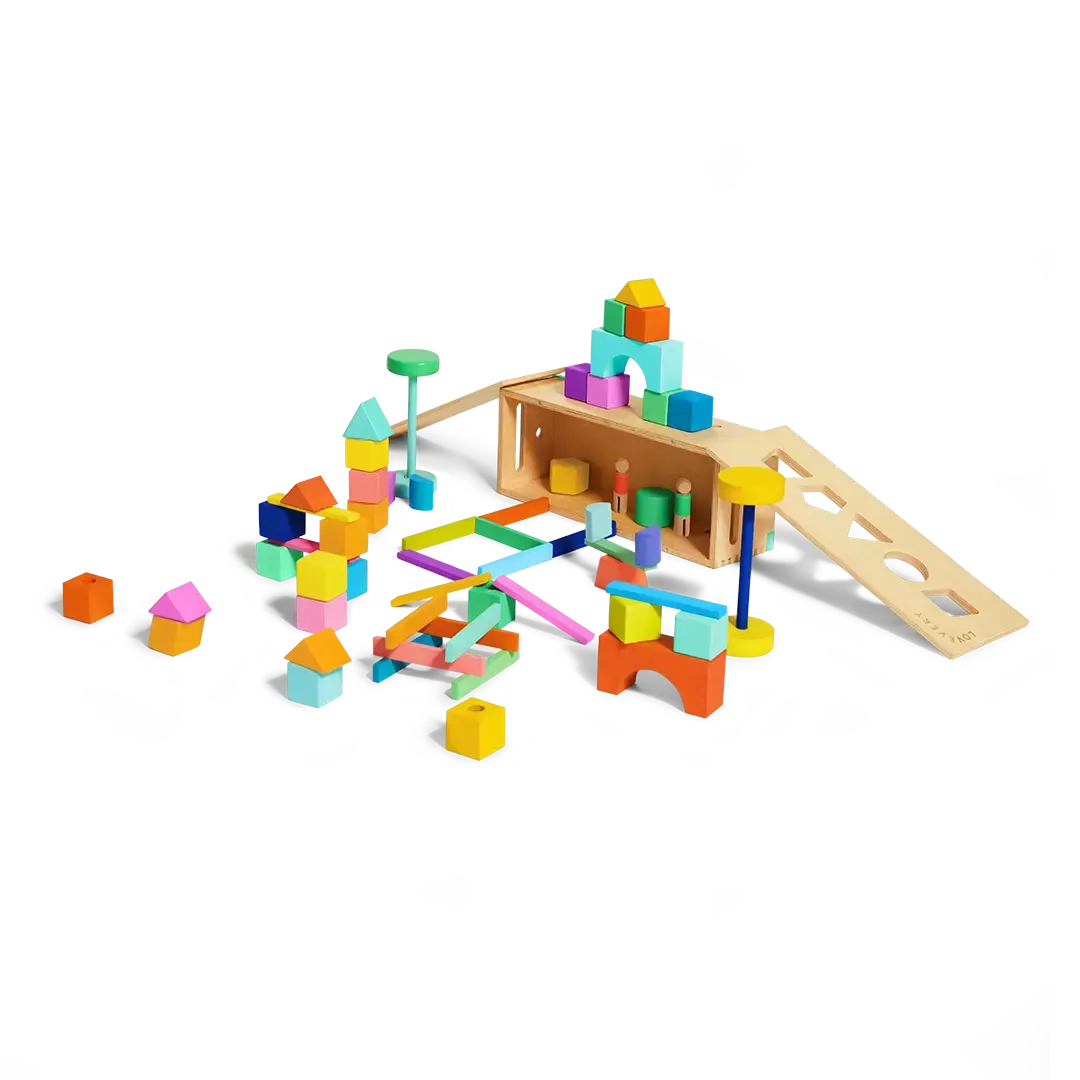
Lovevery · Puzzles & Games
The Block Set
70 solid-wood pieces engineered to be played with eighteen different ways.
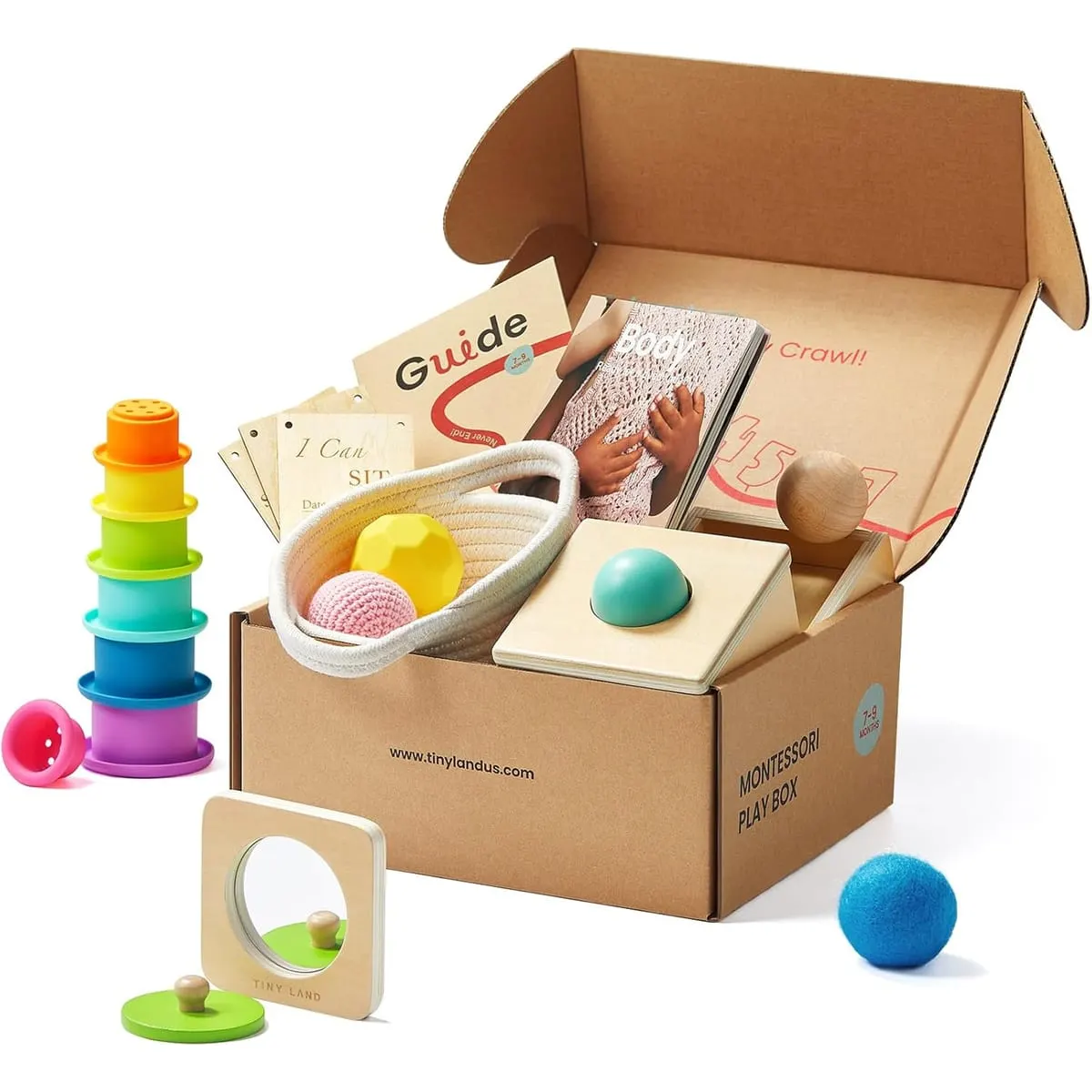
KiwiCo · STEM
Panda Crate (0–24 months)
A bimonthly box of research-backed play matched to baby's stage.
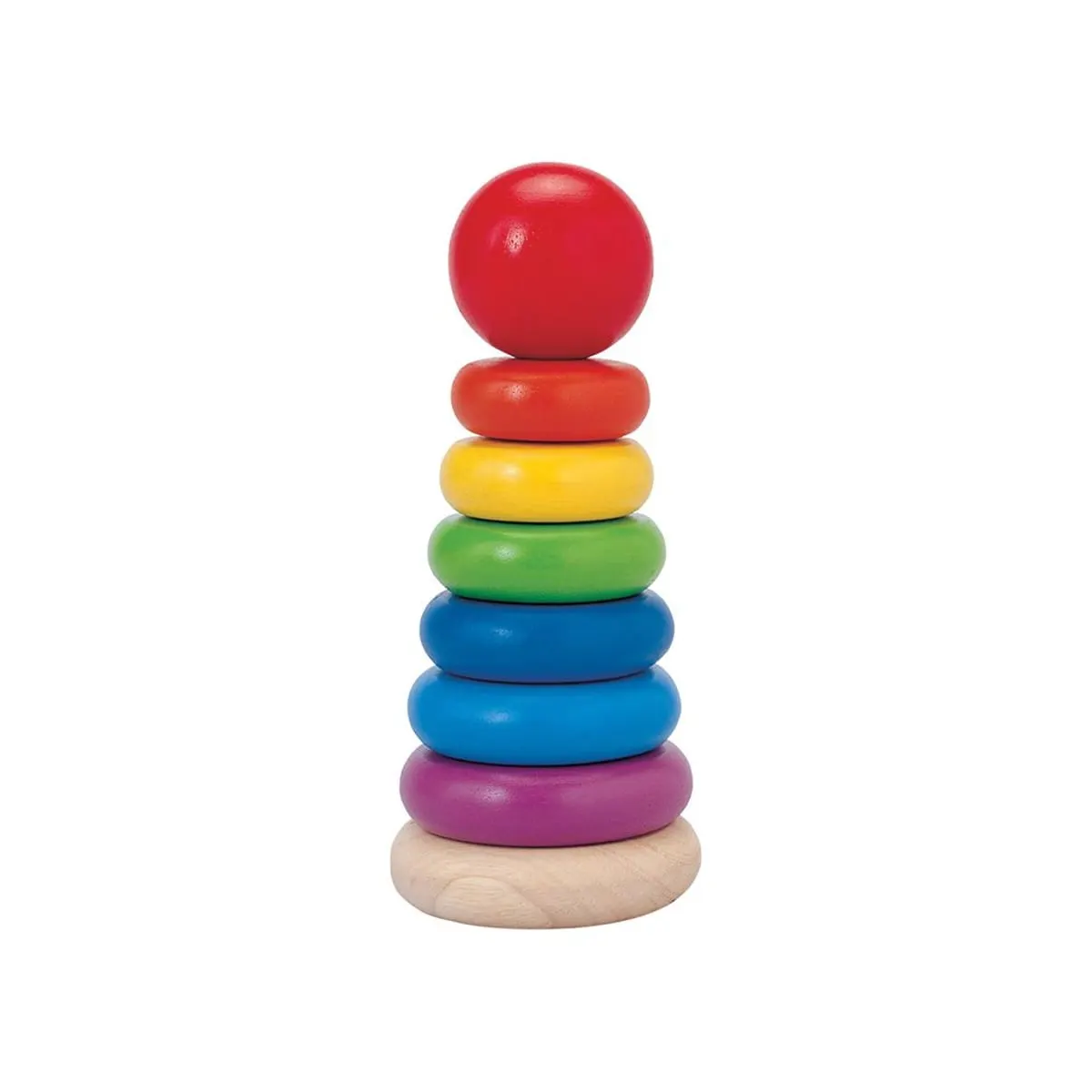
PlanToys · Puzzles & Games
Wooden Stacking Rings
The classic first stacker, in sustainable rubberwood.
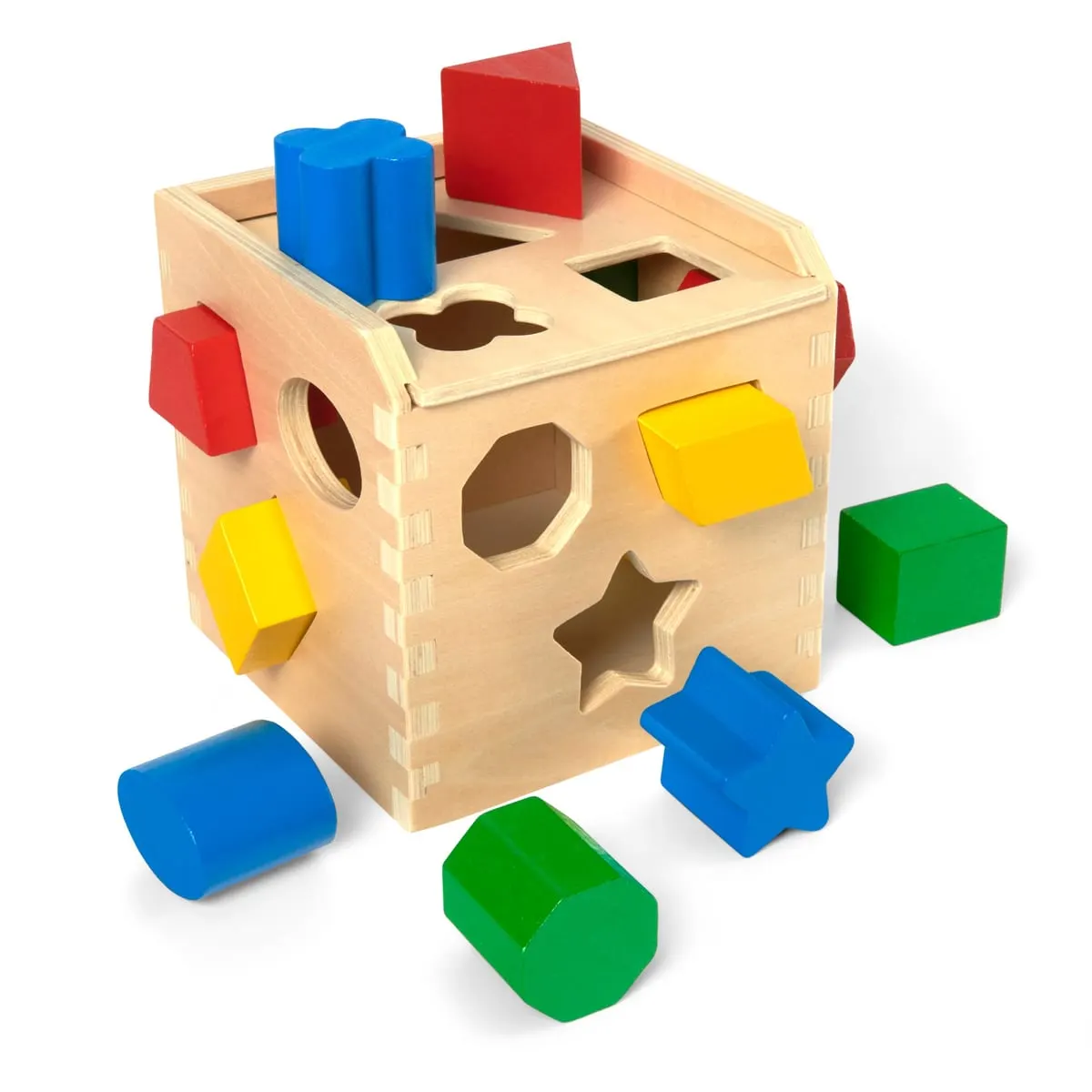
Melissa & Doug · Puzzles & Games
Wooden Shape Sorting Cube
Twelve chunky shapes and the single most replayed toddler puzzle.
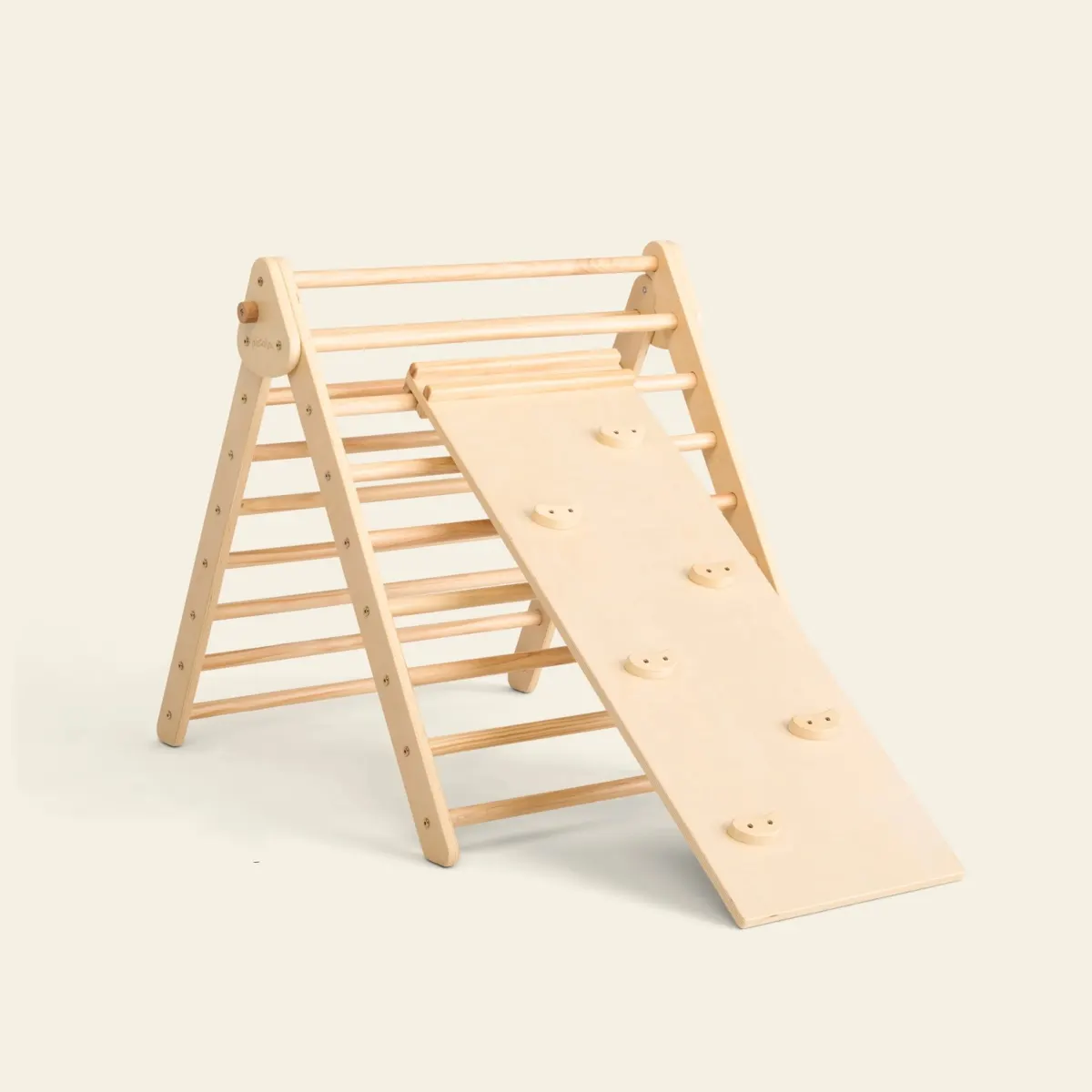
Piccalio · Physical Activity
Mini Pikler Climbing Triangle
Foldable wooden climber that satisfies the urge to climb everything.
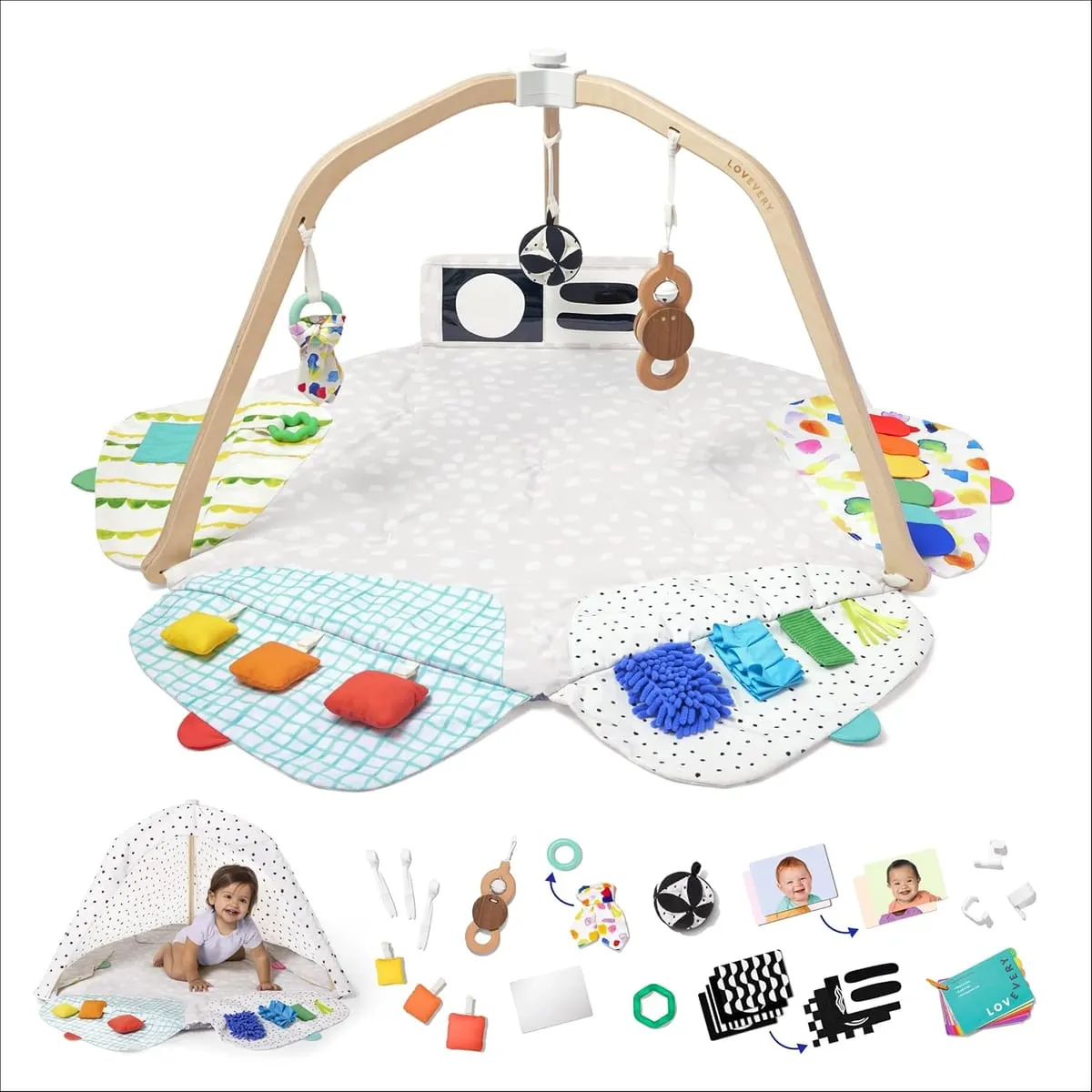
Lovevery · Physical Activity
The Play Gym
A first-year play gym with a staged guide instead of random dangling toys.
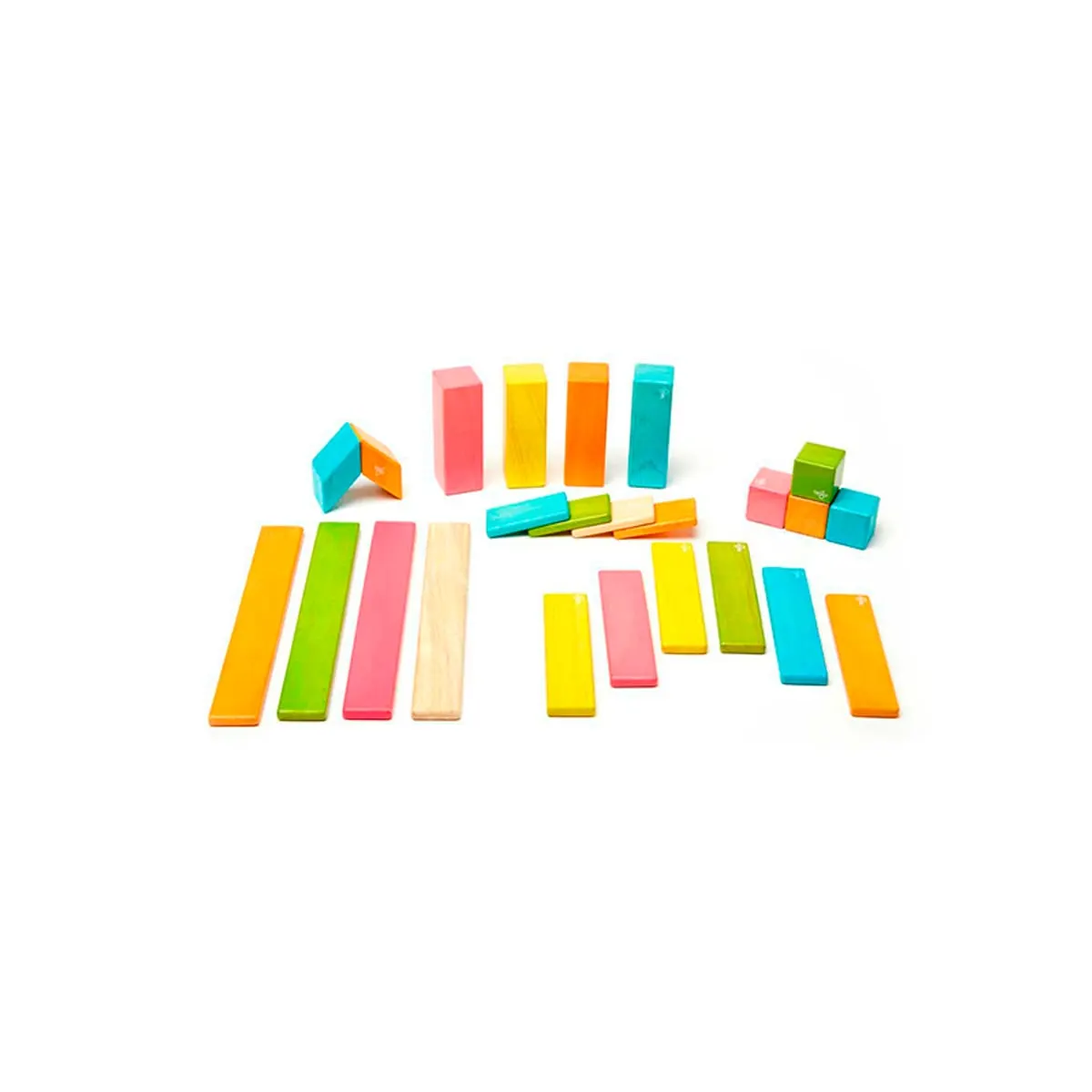
Tegu · STEM
Magnetic Wooden Blocks (24-piece)
Hardwood blocks with hidden magnets. Physics you can feel.
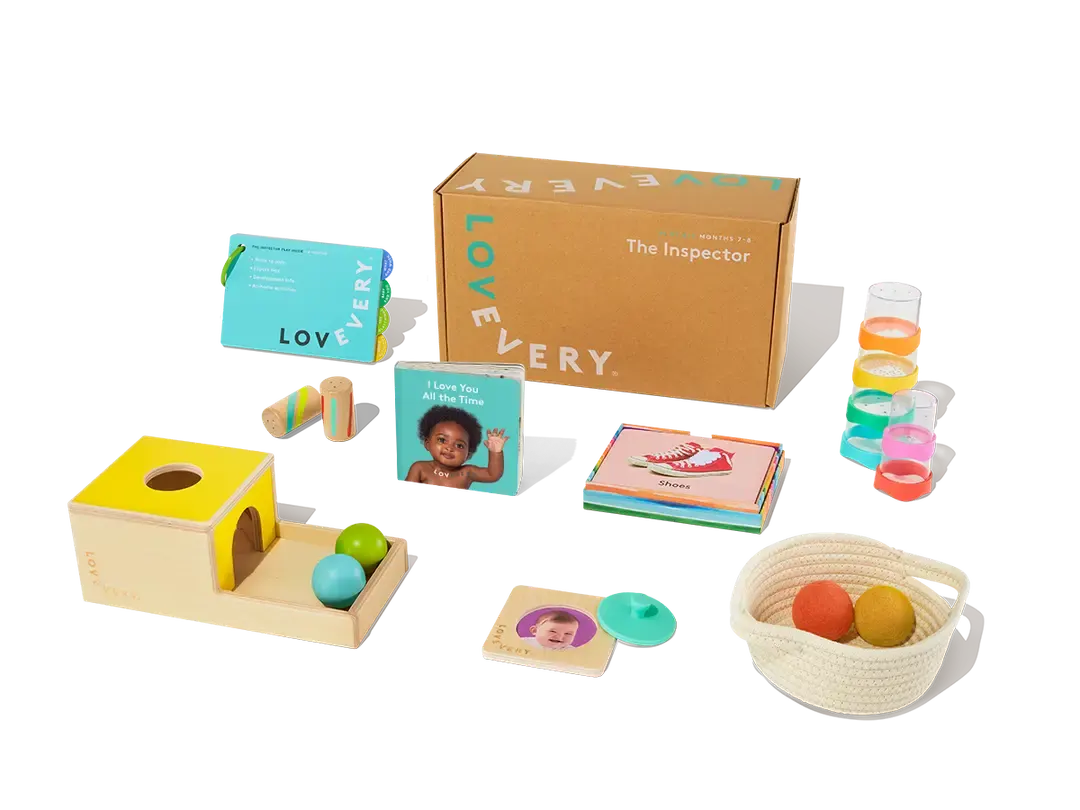
Lovevery · STEM
The Play Kits Subscription
Stage-by-stage Montessori-leaning kits delivered on the baby's schedule.
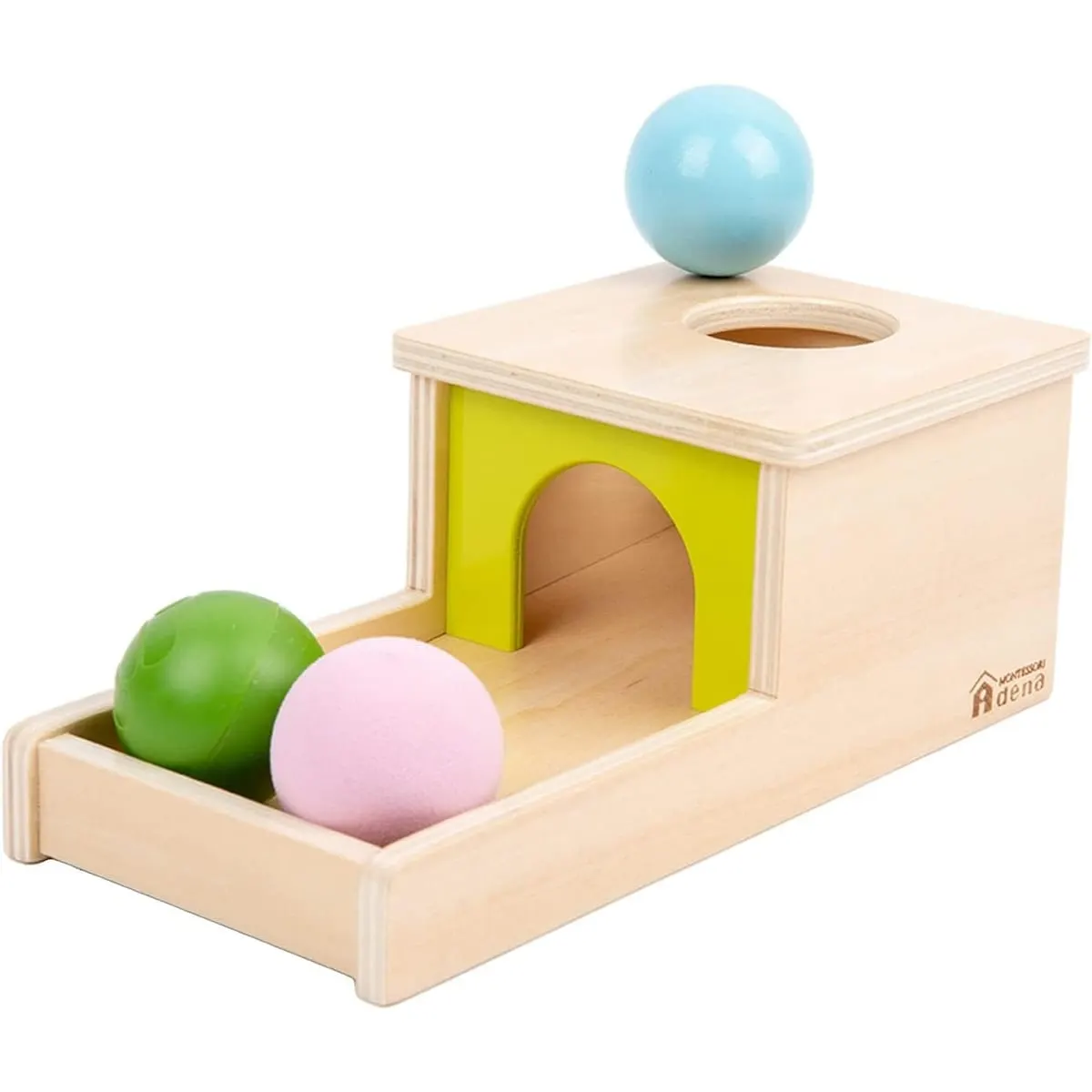
Adena Montessori · Puzzles & Games
Object Permanence Box
The single most iconic Montessori baby material, and it earns it.
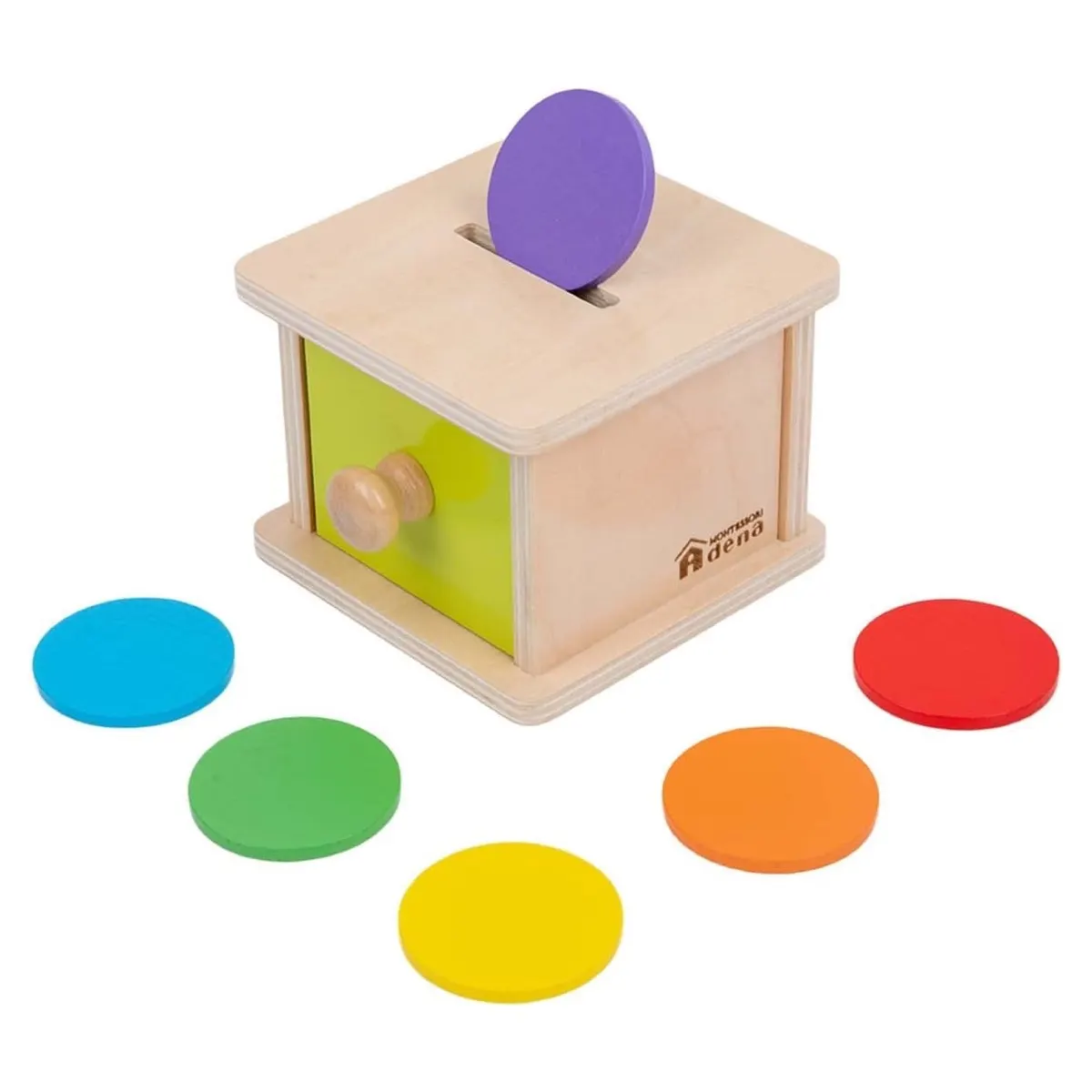
Adena Montessori · Puzzles & Games
Wooden Coin Box
Posting discs through a slot, the next step after the ball box.
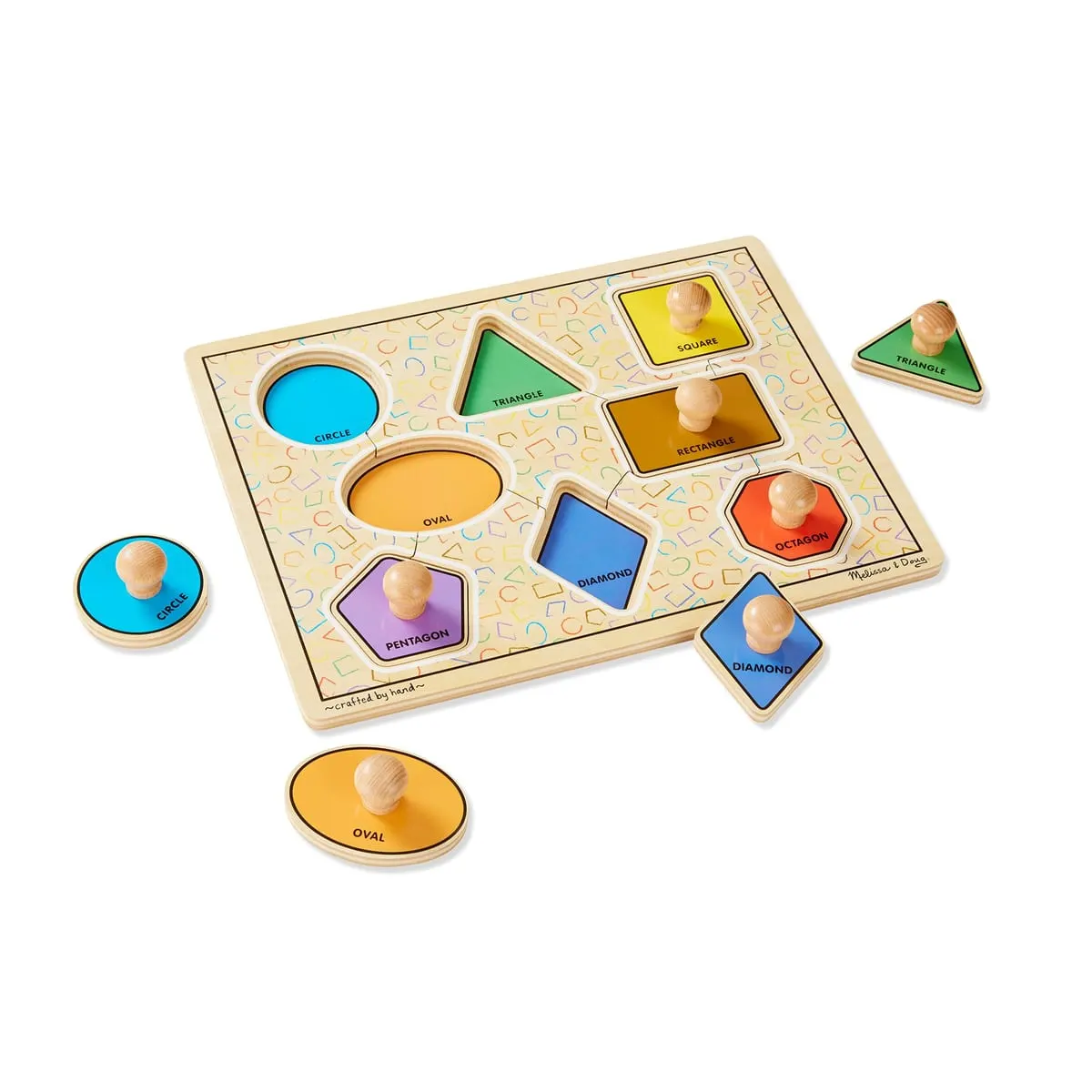
Melissa & Doug · Puzzles & Games
Jumbo Knob Wooden Puzzle
Knobbed puzzles, the original pincer-grip trainer.
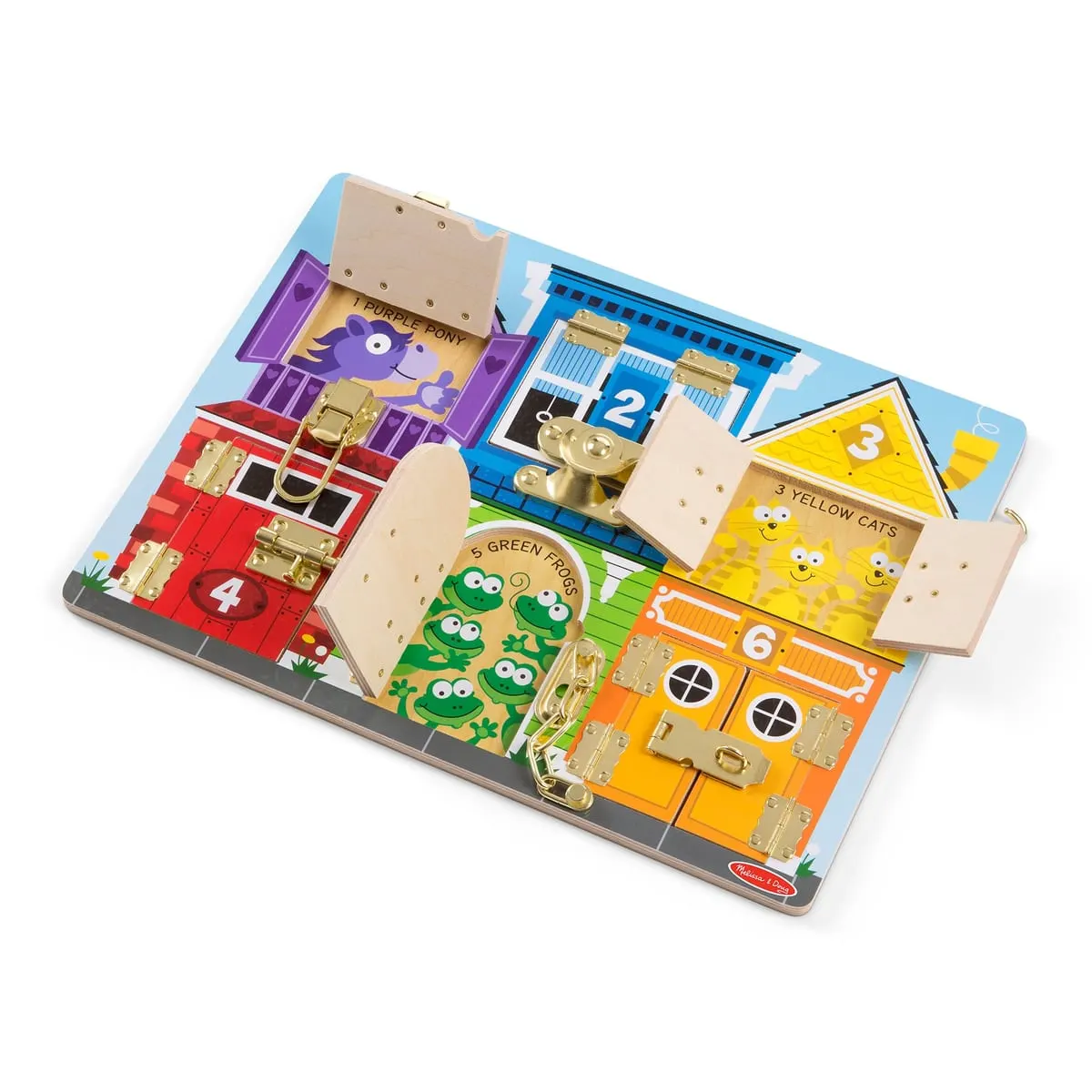
Melissa & Doug · Puzzles & Games
Wooden Latches Activity Board
Real locks, latches, and bolts to open, the toddler obsession, contained.
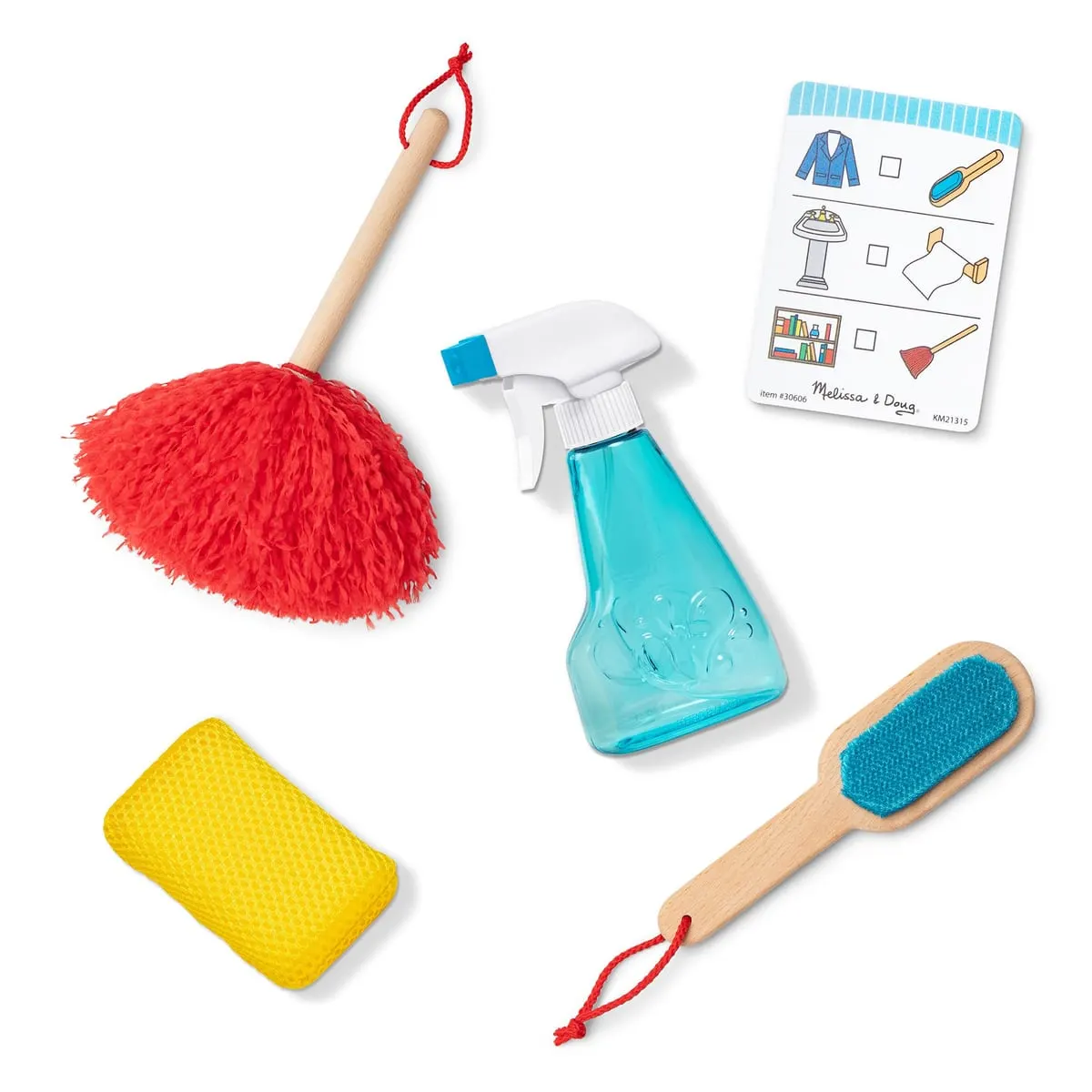
Melissa & Doug · Practical Life
Let's Play House! Cleaning Set
Child-size broom and mop, practical life that toddlers genuinely want.
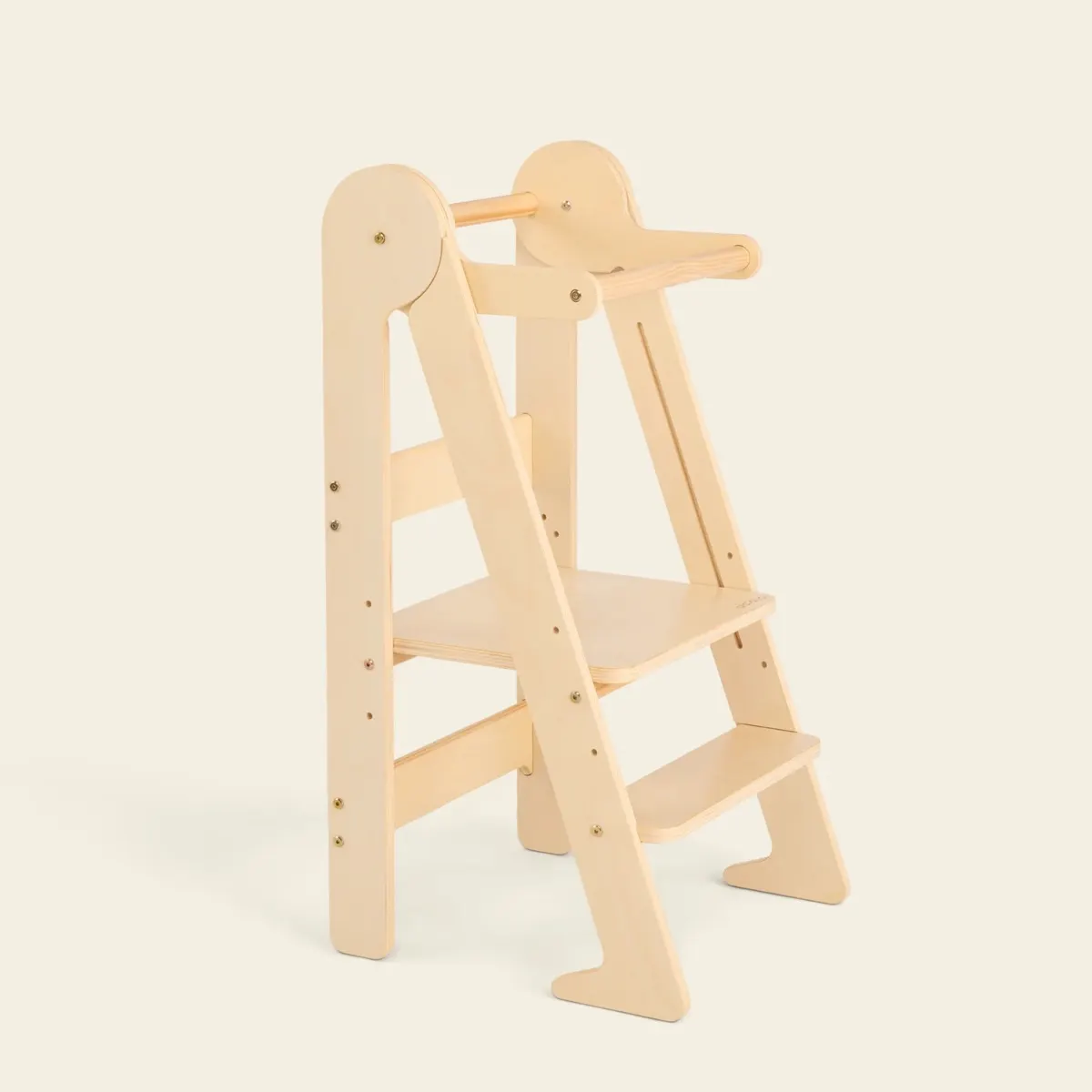
Piccalio · Physical Activity
Foldable Kitchen Helper Tower
The safe way to bring a toddler up to the counter to help.
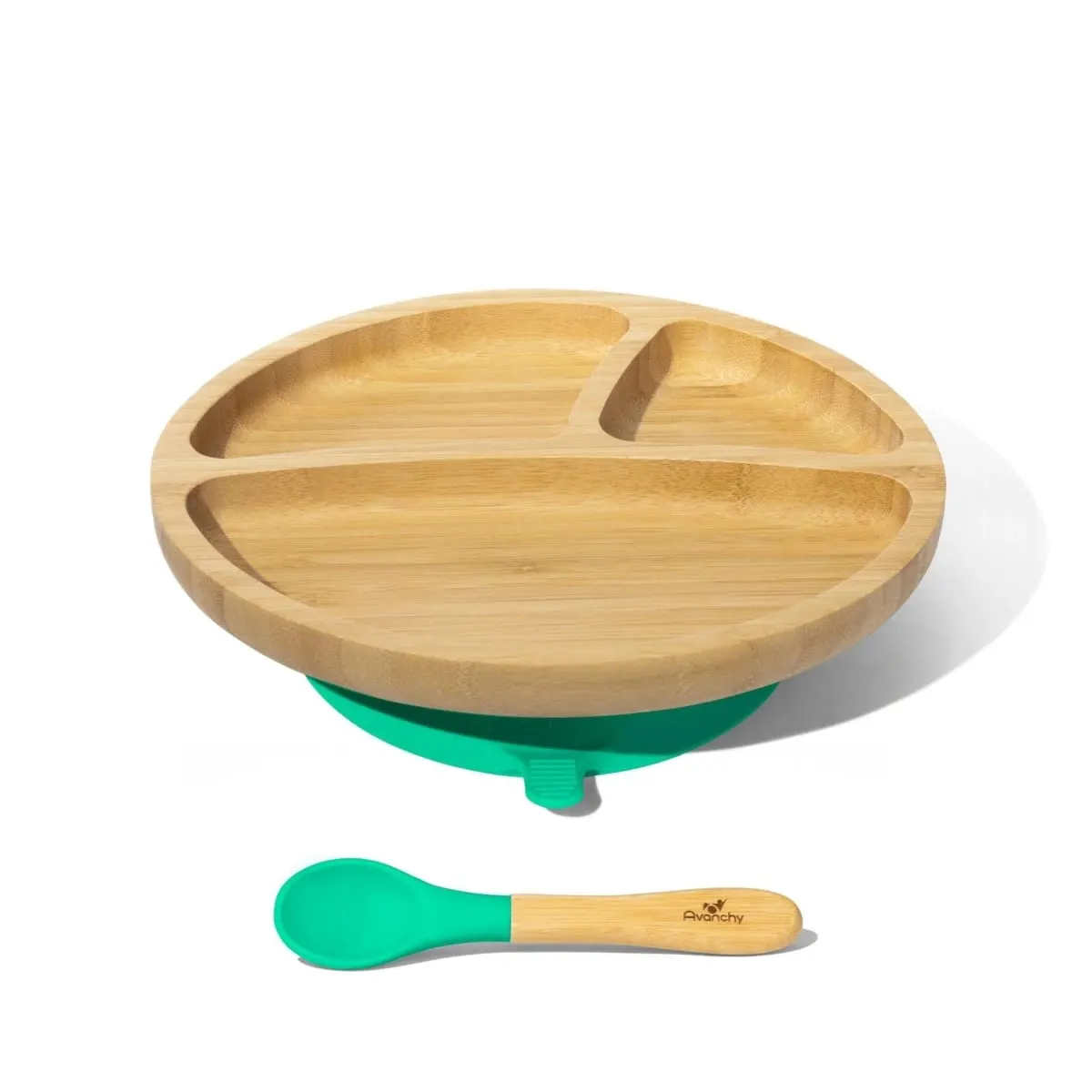
Avanchy · Practical Life
Bamboo Weaning Set
Real (not plastic) child-scale tableware for self-feeding.
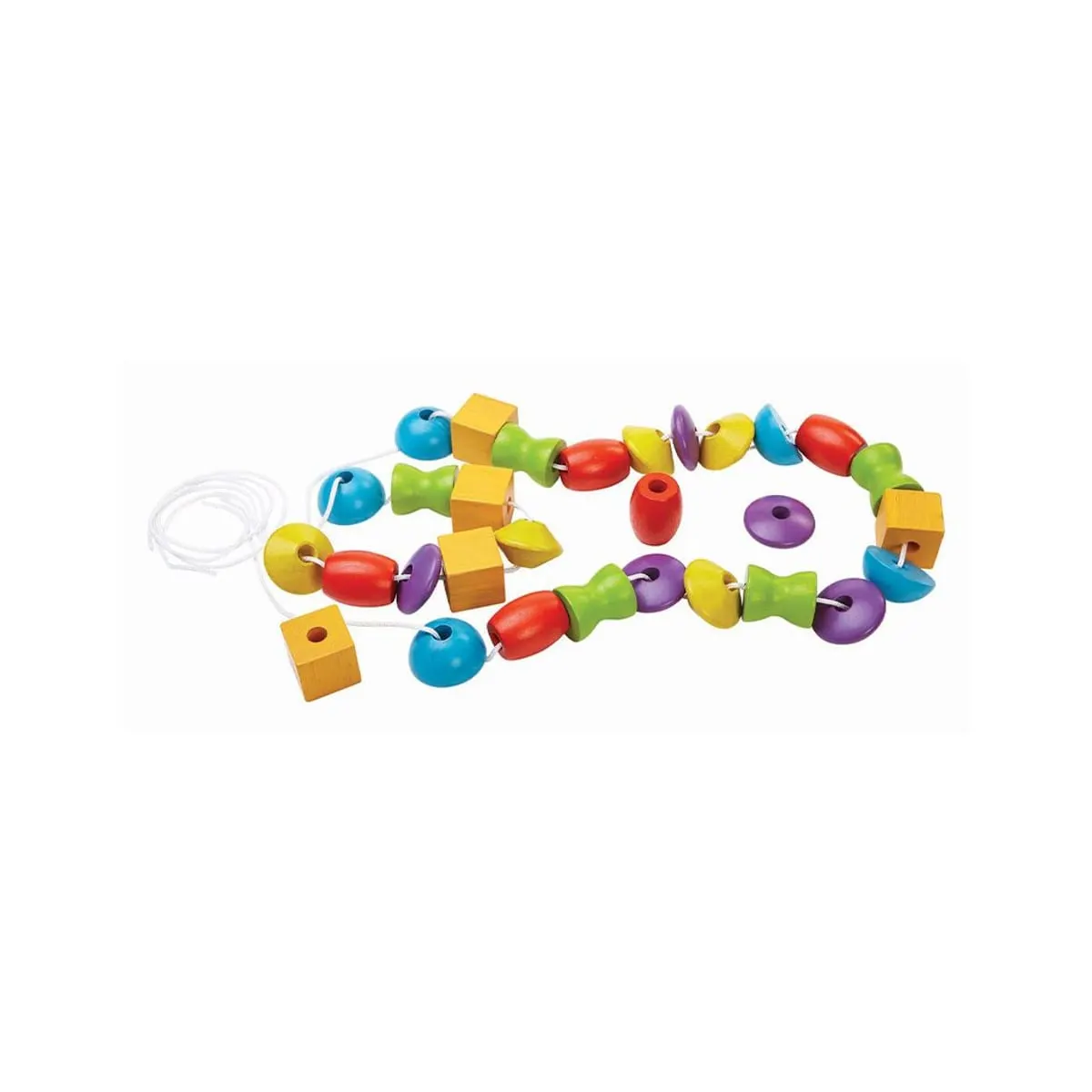
PlanToys · Puzzles & Games
Wooden Lacing Beads
Threading work: quiet, absorbing, and brilliant for two hands.
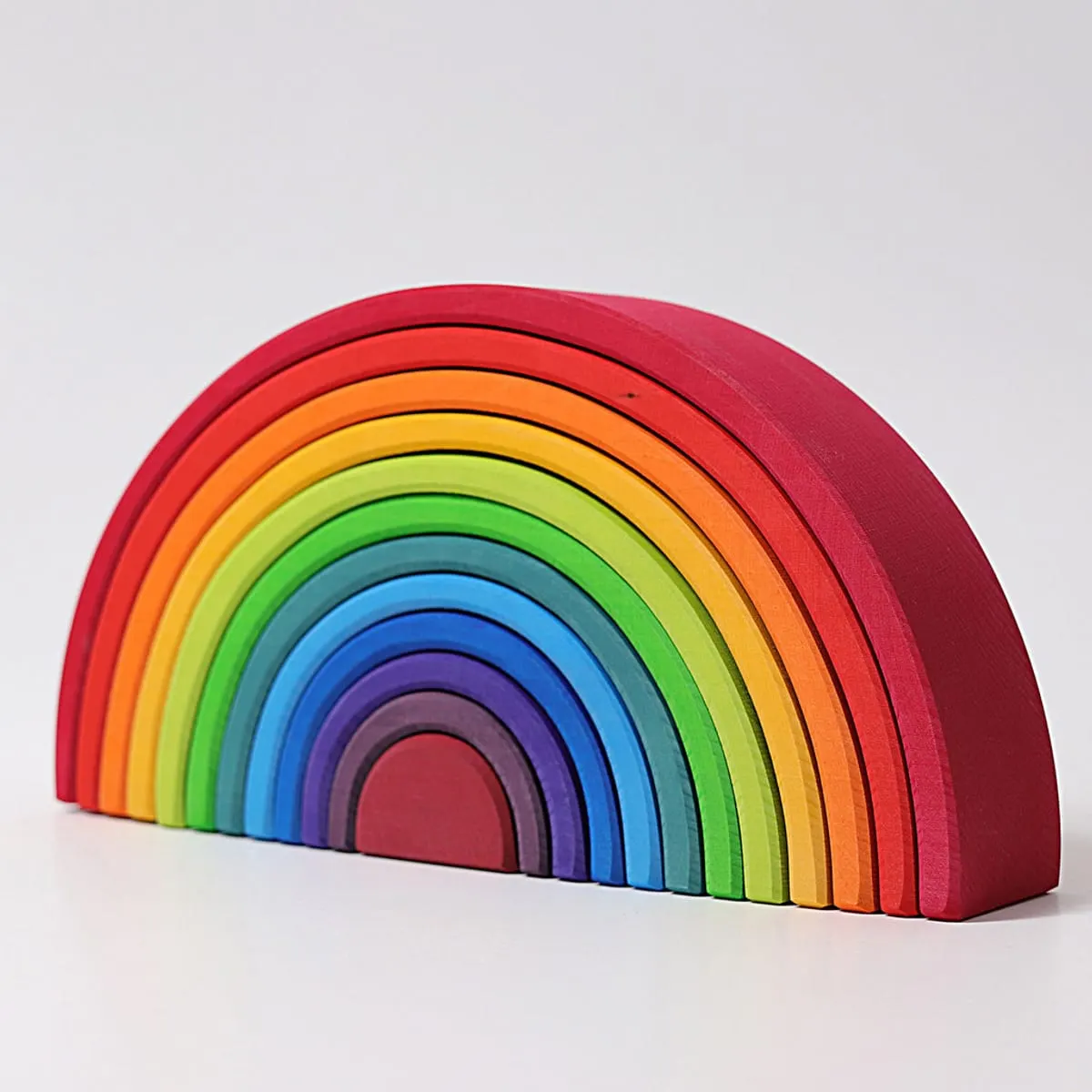
Grimm's · Puzzles & Games
Large Wooden Rainbow Stacker
The open-ended classic: nesting arcs that become a hundred things.
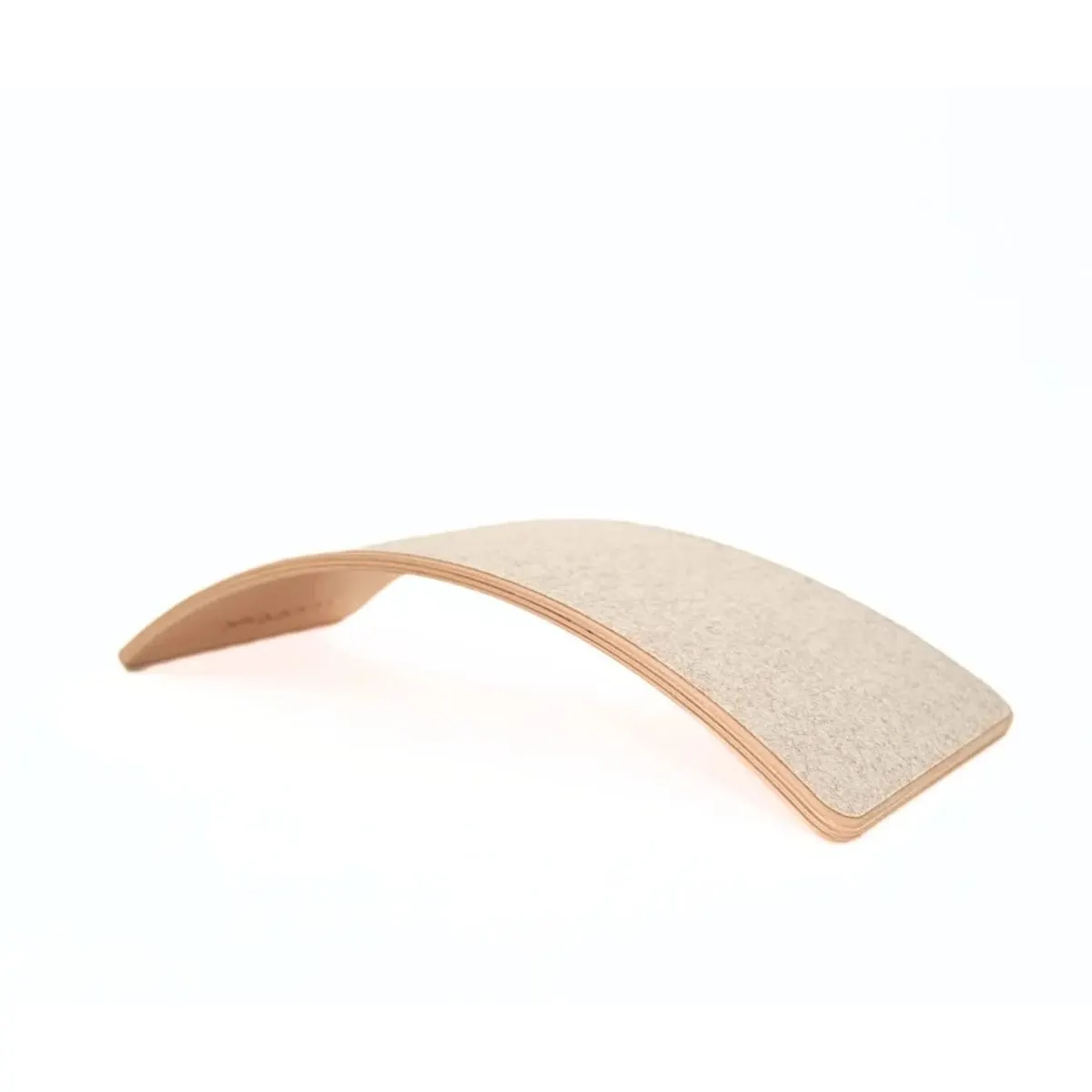
Wobbel · Physical Activity
Original Balance Board
A curved board that is a balance trainer, then a bridge, boat, and slide.
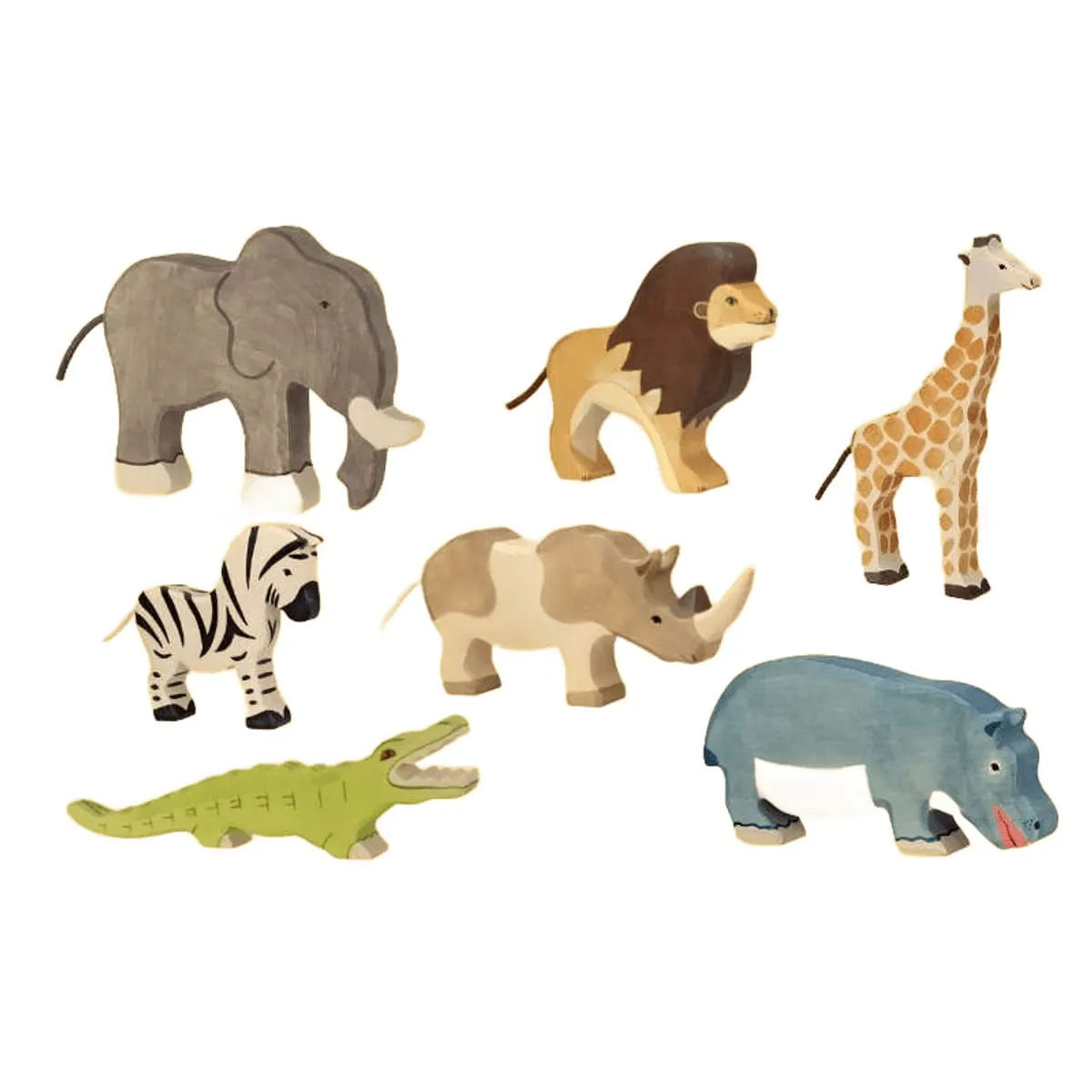
Holztiger · Puzzles & Games
Wooden Animal Figures (Set)
Hand-finished animals for open-ended, language-rich small-world play.
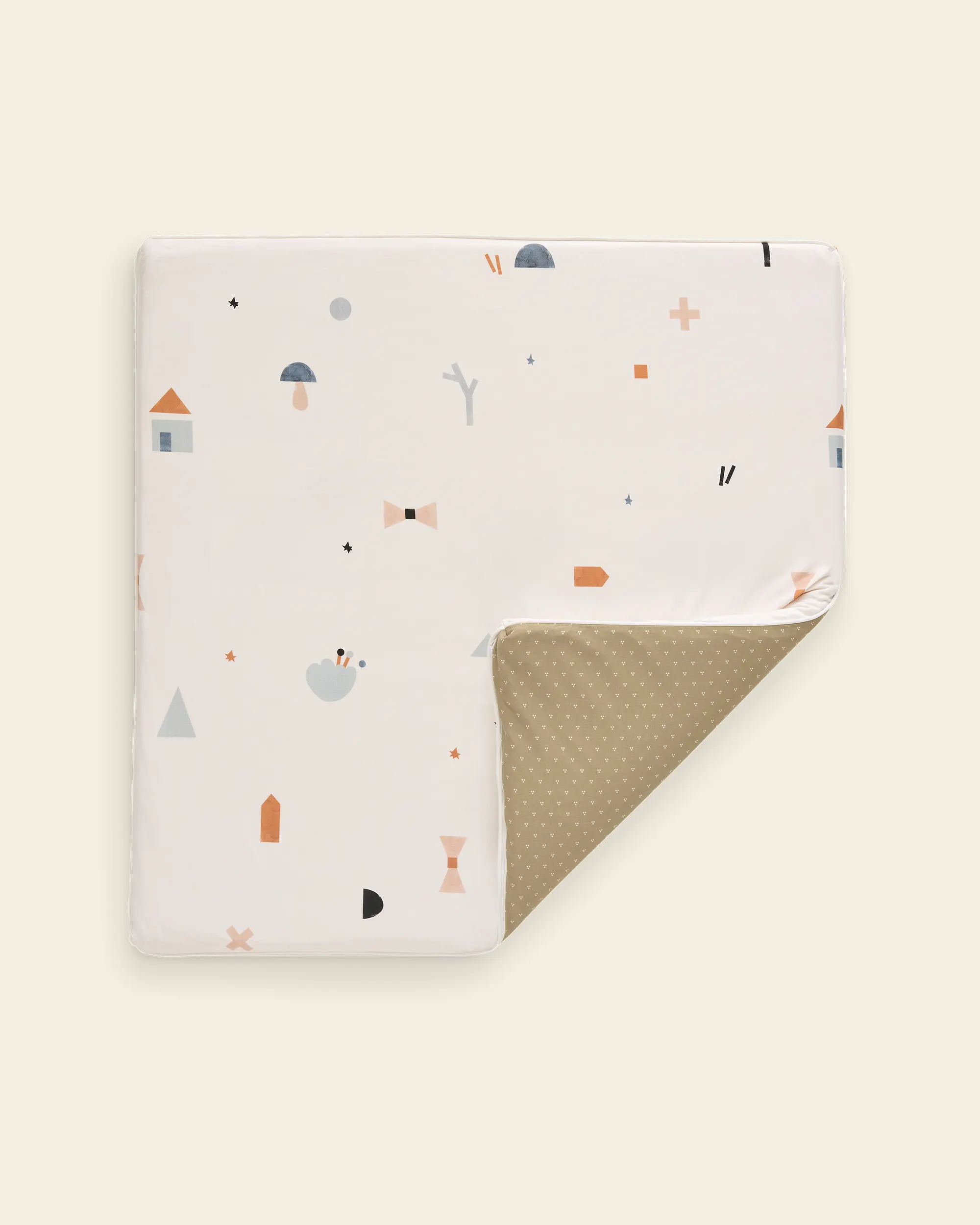
Piccalio · Physical Activity
Play Mat
A premium foam floor surface for tummy time, rolling, and first standing.
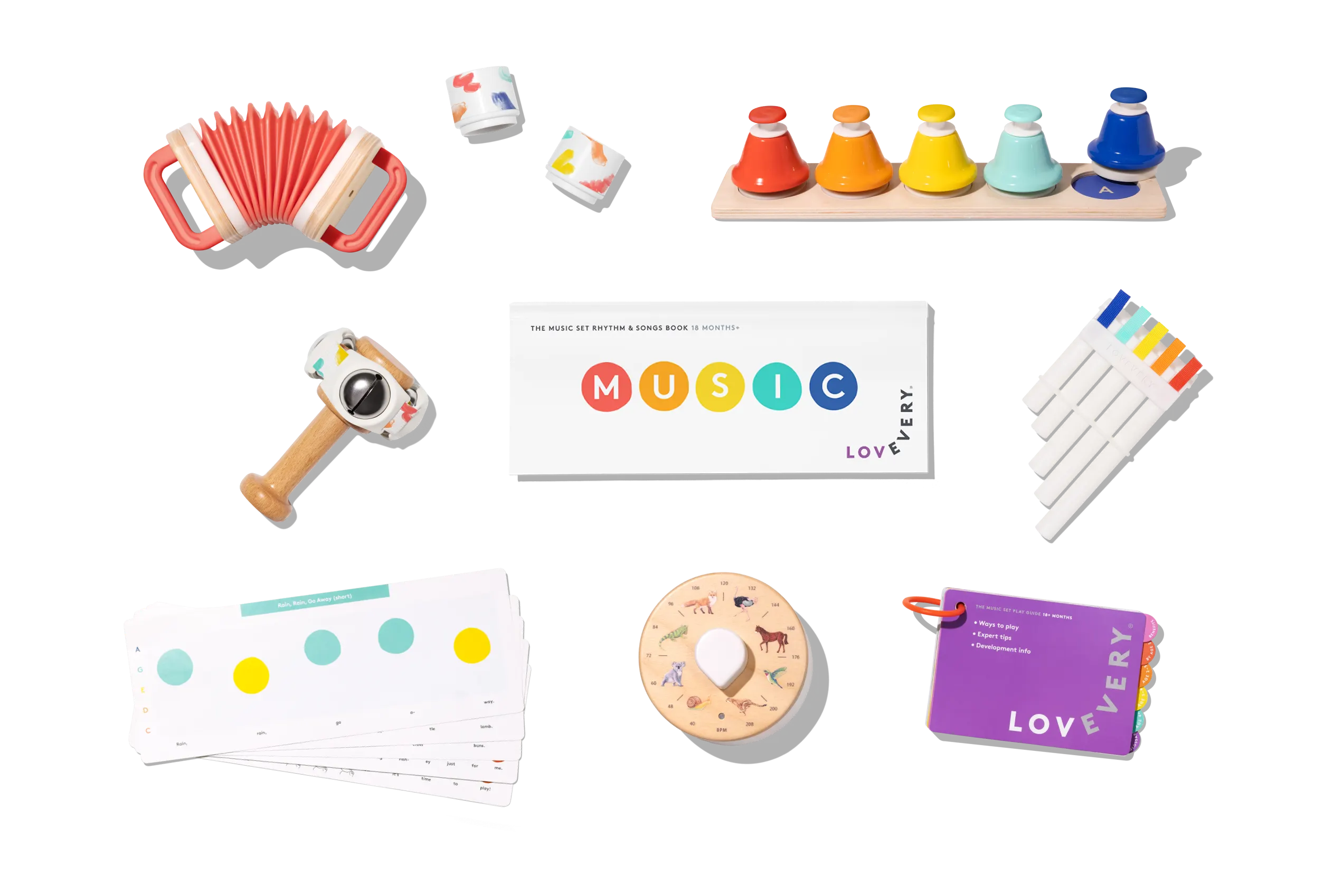
Lovevery · Music
The Music Set
A staged set of real first instruments, tuned and built to be lived with.
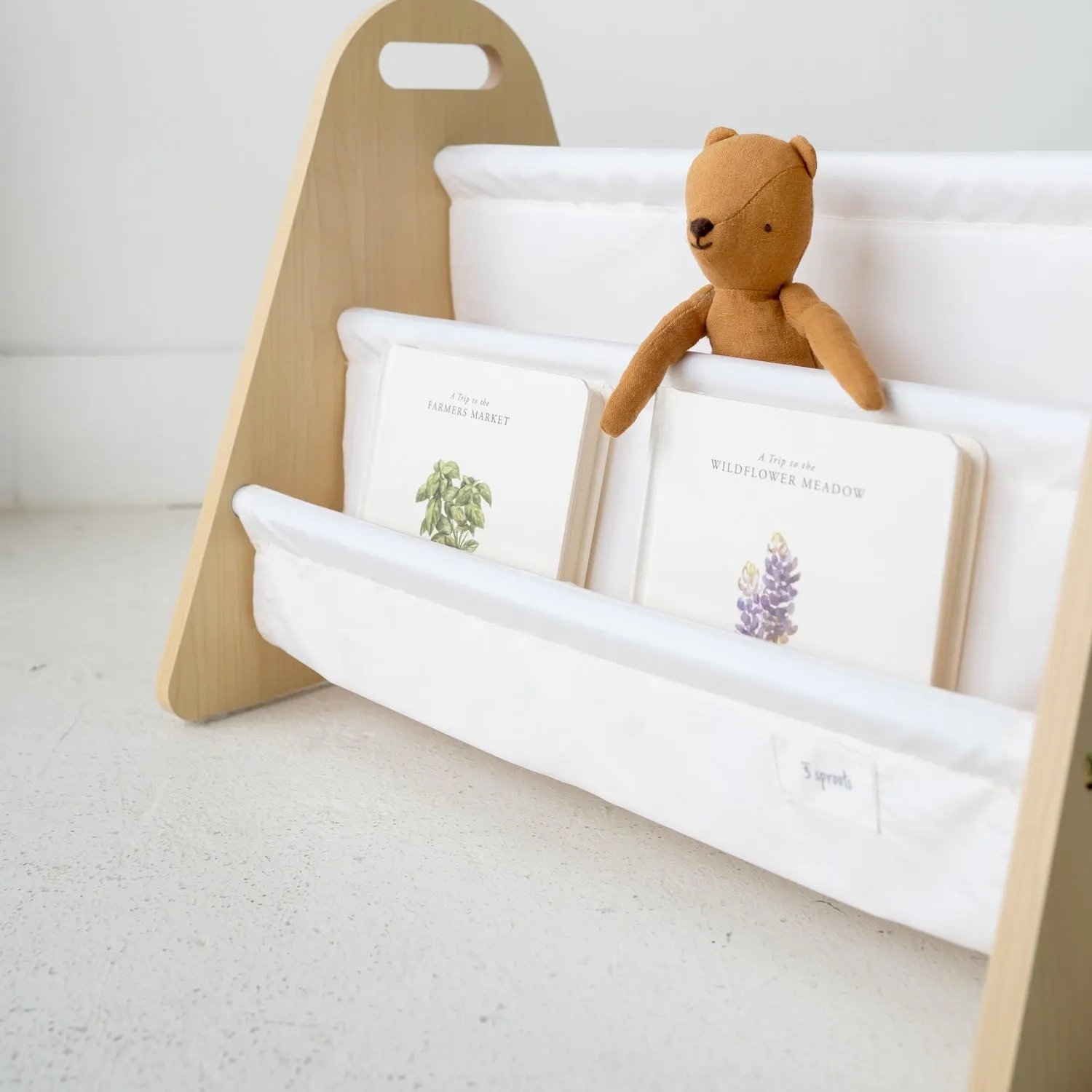
3 Sprouts · Language
Book Rack
A forward-facing book display that turns reading into a self-serve choice.
What 'Montessori at home' actually means
You do not need a classroom or a credential. The core ideas are simple: offer a few well-chosen materials instead of a bin of everything, let each one do a single clear job, use real materials at child scale, and let the child repeat the work as long as they want without being interrupted. The picks above are chosen against exactly those filters.
The prepared environment beats the toy
A Montessori shelf is low, open, and sparse: six to eight activities a child can see, reach, and return independently, not a toy box they dig through. The single highest-leverage change most homes can make is rotating most toys out of sight and leaving only a small set available, then swapping the set every week or two. Calm beats abundance.
Roughly by age
0 to 12 months: object permanence, grasping, and the first posting and stacking. 1 to 3 years: practical life (pouring, wiping, dressing frames), fine-motor posting and threading, and gross-motor climbing. 3 to 5 years: longer practical-life sequences, lacing, sorting, and open-ended building. Treat the age tags on each pick as a window, not a deadline; follow the child's interest.
What to skip
Battery toys that perform for the child, anything that does the thinking, and big plastic sets that try to be everything at once. Montessori value comes from the child being the active one. If a toy lights up and sings while the child watches, it is the opposite of what this list is for.
Frequently Asked Questions
What age should you start Montessori at home?
From birth in the sense of the environment (calm space, simple high-contrast objects, freedom of movement). Distinct materials like the object permanence box become genuinely engaging around 6 to 8 months. There is no late start; the principles apply at every age.
Do Montessori toys have to be wooden?
No. The principle is real, natural materials at child scale and a single clear purpose, not a ban on plastic. Wood is common because it is durable and sensory-rich, but a well-designed material that does one job and lets the child lead fits the approach.
How many toys should be out at once?
Most Montessori-leaning homes keep roughly six to eight activities visible on a low shelf and rotate the rest out of sight, refreshing the set every one to two weeks. Fewer, well-chosen, accessible materials produce deeper concentration than a full toy box.
Is Montessori at home expensive?
It does not have to be. Several picks on this list are under $25, and the approach actively favors fewer, better things over volume, so it can cost less than a steady stream of impulse toys. A few investment pieces (a climbing set, a kitchen tower) are optional, not required.